
Why Your Local Café Is the Secret to Fighting Loneliness (And It's Not What You Think).
We're living through what some experts are calling a loneliness epidemic. Despite being more "connected" than ever through social media and messaging apps, people are reporting higher levels of isolation and loneliness than previous generations. But here's something interesting: while we're all searching for complex solutions to this modern problem, one of the most effective remedies has been sitting right under our noses this whole time.
Your local café isn't just a place to grab coffee and pastries. It's actually one of the most powerful weapons we have against loneliness – and the reason why might surprise you.

The Obvious Reason (That's Only Half the Story)
Sure, cafés help with loneliness because they put you around other people. That's the obvious bit. When you're feeling isolated at home, getting out and seeing other humans doing human things – chatting, laughing, working on laptops – can lift your spirits. It's basic psychology.
But if that was the whole story, then busy shopping centres, packed trains, or crowded pubs would be just as effective at combating loneliness. And we all know they're not. In fact, you can feel incredibly lonely in a crowd of strangers.
So what makes cafés different?
The Real Secret: Your Café is Your "Third Place"
Here's where it gets interesting. Sociologists talk about something called "third places" – spaces that aren't your home (first place) or your workplace (second place), but somewhere in between. These are the spots where community happens naturally, where you can exist without the pressures of either domestic life or professional obligations.
Traditional third places used to be the local pub, the town square, or the village hall. But in our modern world, many of these spaces have disappeared or changed beyond recognition. Independent cafés have stepped in to fill that gap, and they're uniquely suited to the job.
Think about it: when you visit your regular café, you start recognising faces. The barista who remembers your usual order. The person who always sits by the window with their laptop. The group of friends who meet every Tuesday morning. These aren't deep friendships necessarily, but they're connections. They're proof that you exist in a community, that you're seen and recognised.
The Psychology of Familiar Strangers
There's actually a term for this phenomenon – "familiar strangers." These are people you see regularly but don't really know. Research shows that these weak social ties are incredibly important for our mental wellbeing. They provide a sense of continuity and belonging without the emotional intensity of close relationships.
In a café, these interactions happen naturally. A nod of acknowledgment. A brief chat about the weather while waiting for your order. Someone holding the door open for you. These micro-moments of connection add up to something surprisingly powerful.
It's Not Accidental – It's by Design
Good cafés understand this instinctively. The layout matters. The atmosphere matters. The way staff interact with customers matters enormously.
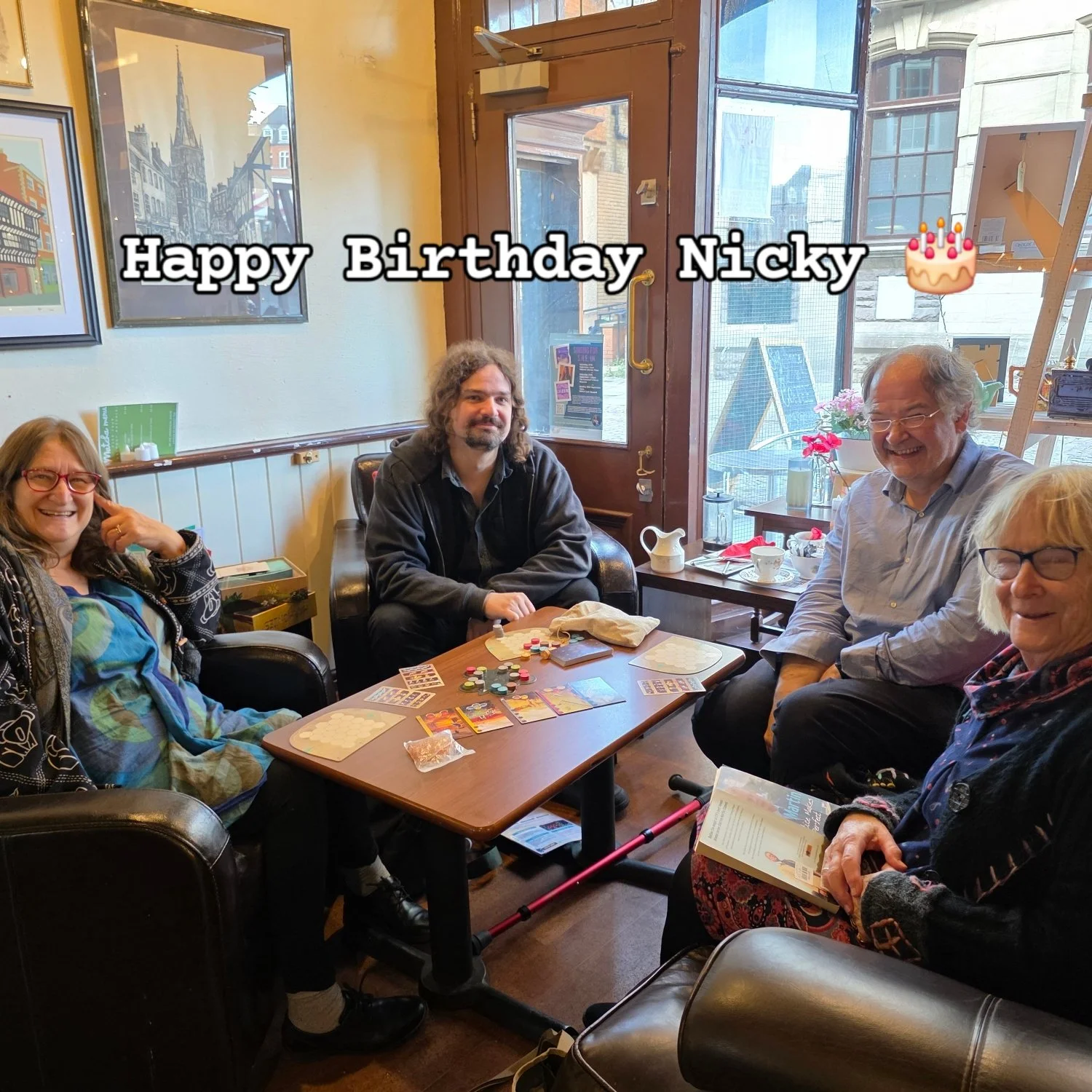
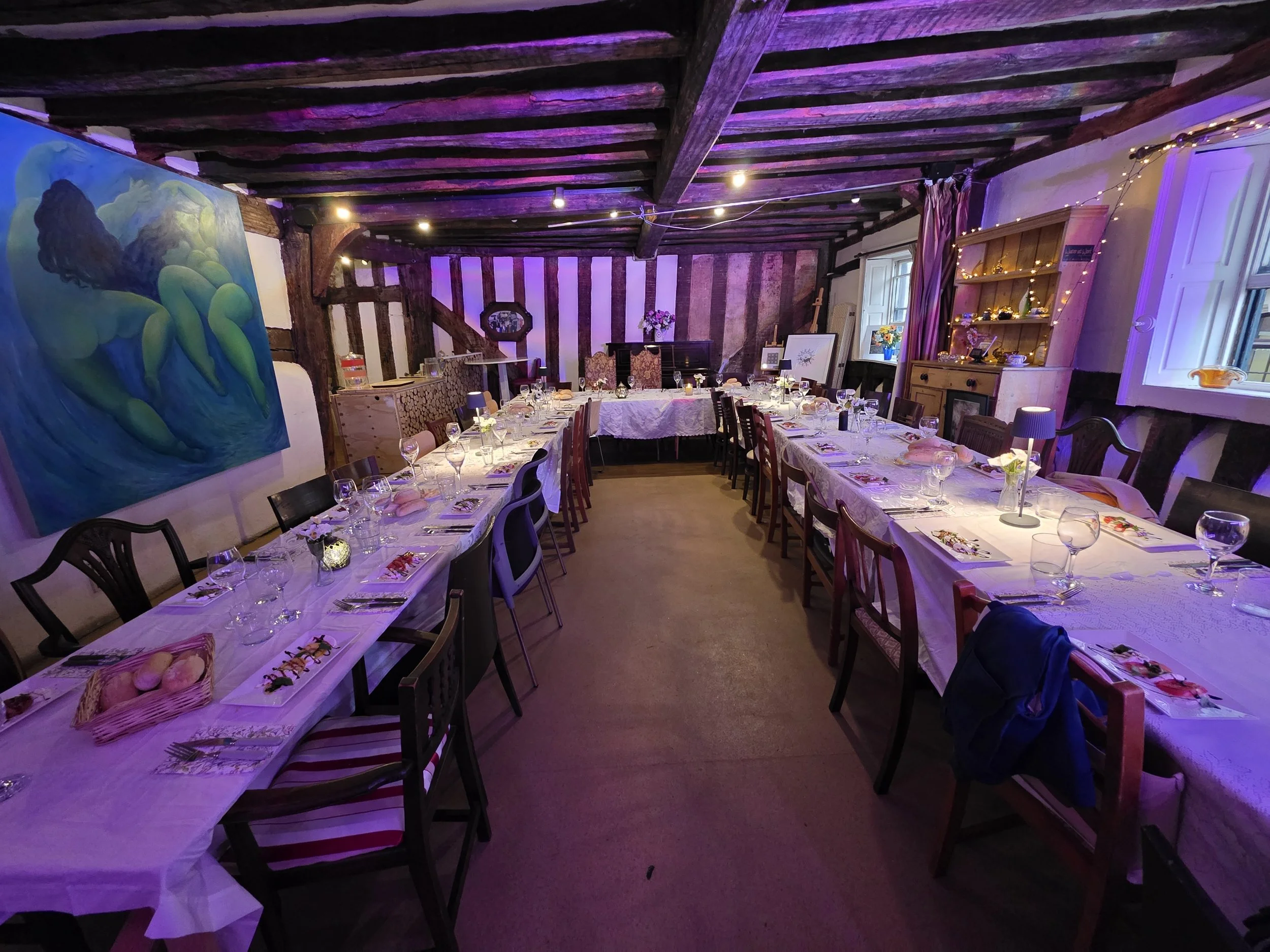
At places like Governors House, you'll notice the space is designed to encourage both solitude and sociability. There are cosy nooks where you can read alone, but also communal tables where conversations spark naturally. The staff aren't just serving food and drinks – they're creating an environment where people feel welcome to stay, to chat, to become part of the daily rhythm of the place.
This isn't accidental. It's a deliberate choice to prioritise human connection over purely commercial concerns. Many chain establishments push for quick turnover – get customers in, served, and out as fast as possible. But independent cafés that truly serve their communities understand that sometimes the most valuable thing they're selling isn't coffee – it's belonging.
The Chatty Café Revolution
Some cafés are taking this concept even further with initiatives like the Chatty Café Scheme. This brilliant idea involves designated tables where people can sit if they're happy to chat with others. It removes the awkwardness of not knowing whether someone wants to be left alone or is open to conversation.
The results speak for themselves. A recent evaluation found that 96% of people who used these designated chat spaces reported feeling less lonely and isolated. That's not just feel-good fluff – that's a measurable impact on people's mental health and wellbeing.
Beyond Coffee: Creating Community Events
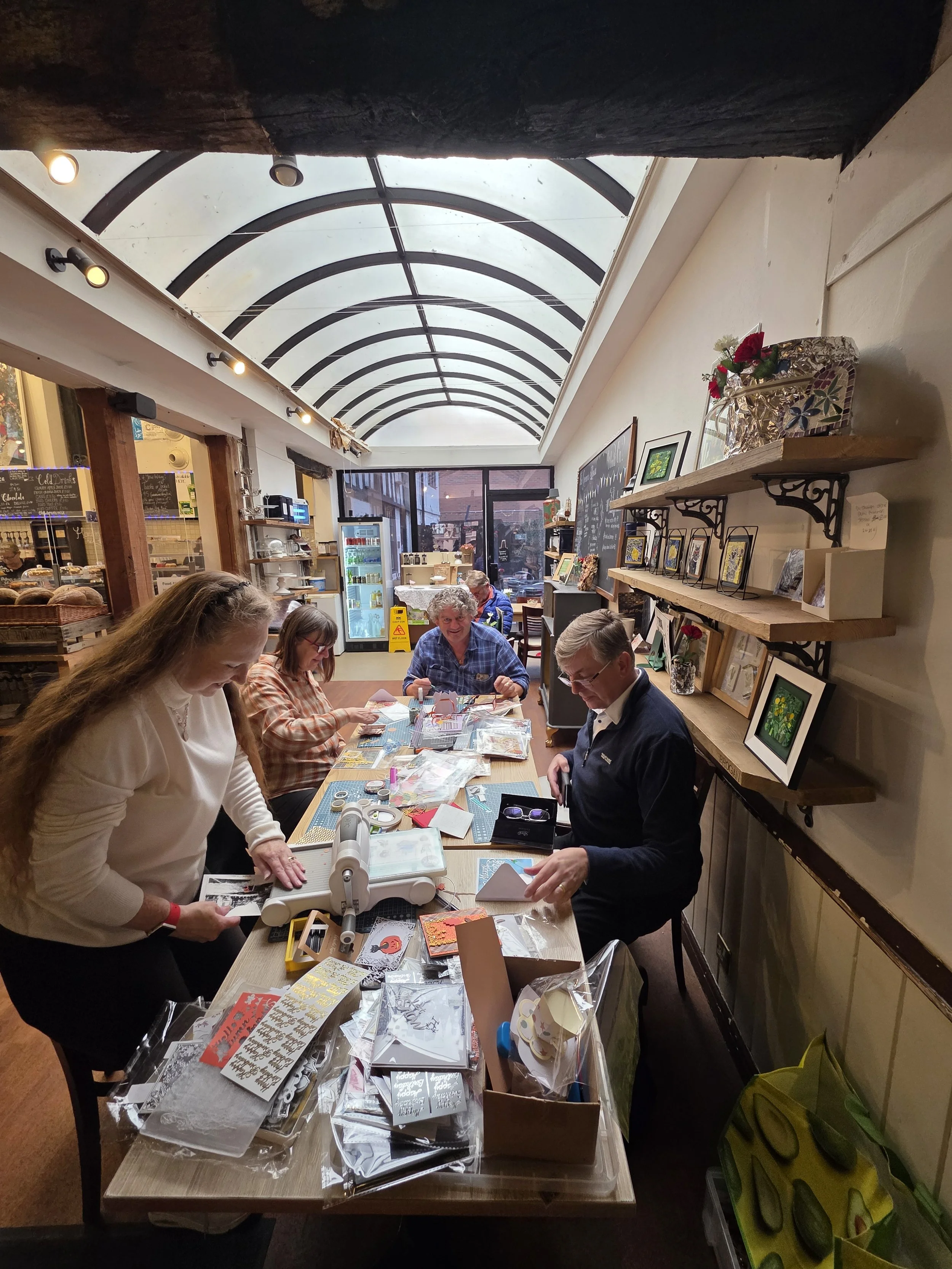
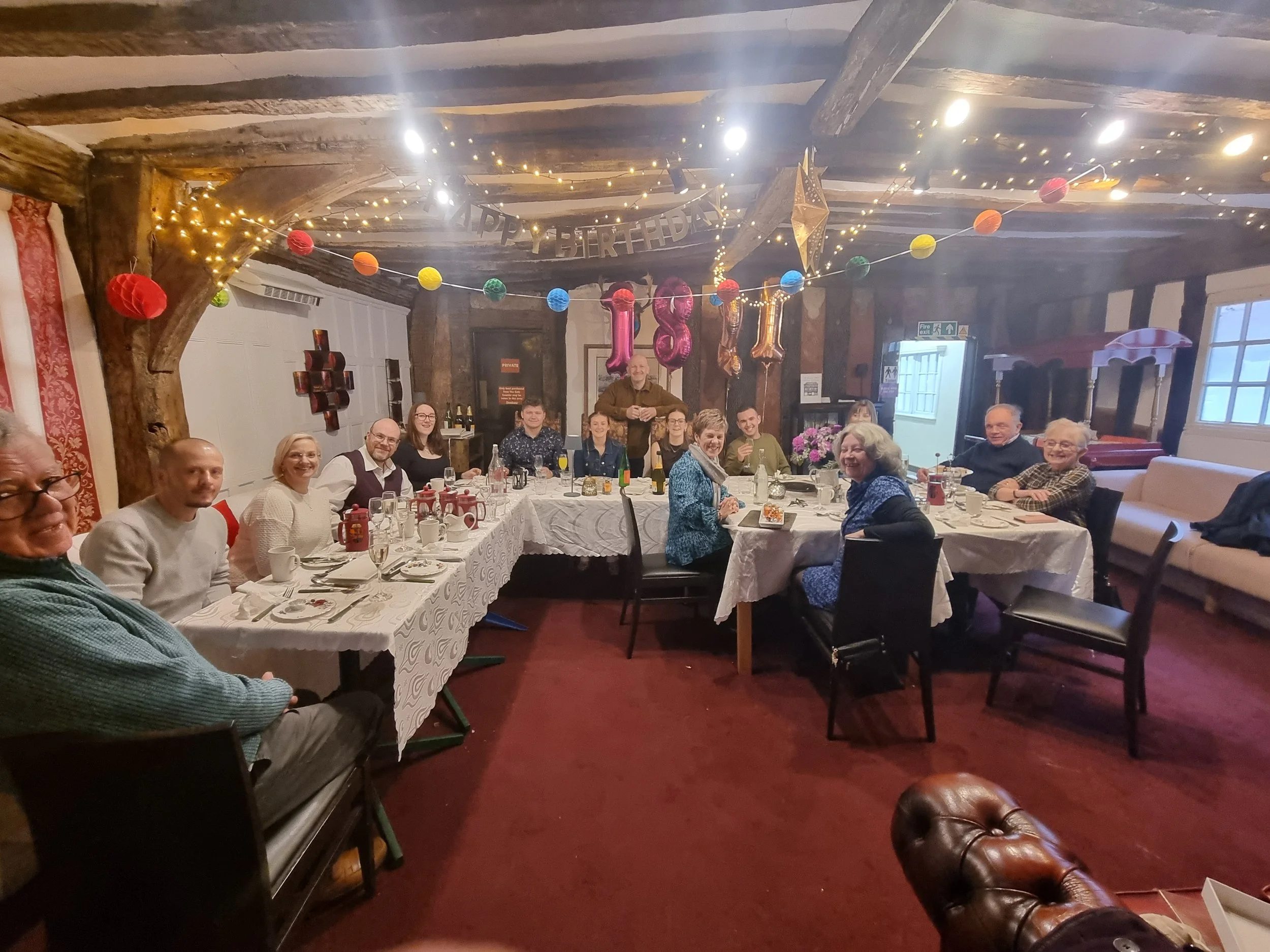
The best community cafés don't stop at daily service. They become hubs for local activities and events that bring people together around shared interests. Whether it's book clubs, craft workshops, live music, or networking groups, these events transform a café from a service provider into a genuine community centre.
When you look at places offering everything from Christmas card making workshops to breakfast networking clubs, you're seeing this principle in action. These aren't just revenue streams – they're opportunities for people to connect over shared activities and interests.
The Ripple Effect
Here's something fascinating: the benefits of café community extend far beyond the people who actually visit. When a neighbourhood has a thriving café that serves as a genuine community hub, it changes the character of the entire area. People are more likely to know their neighbours, more likely to feel safe and connected to their local community.
It's like dropping a stone in a pond – the ripples spread outward. Regular customers start chatting to each other outside the café. They might meet up elsewhere. They begin to feel part of something larger than themselves.
The Human Touch in a Digital World
Perhaps most importantly, cafés offer something that our increasingly digital world struggles to provide: genuine human interaction. Yes, you can order food through an app and have it delivered without speaking to another soul. But you can't app your way out of loneliness.
When you visit a café where the staff know your name, where you might bump into someone you haven't seen for months, where you can sit and watch the world go by while feeling part of it – that's when the magic happens. It's low-pressure socialisation that fits around your life rather than demanding centre stage.
It's Not Just About Extroverts
One of the beautiful things about café culture is that it works for introverts too. You don't have to be the life and soul of the party to benefit from these community connections. Sometimes just sitting in a warm, welcoming space where life is happening around you is enough. The option for interaction is there if you want it, but there's no pressure.
Why This Matters More Than Ever
In our post-pandemic world, many of us have become more isolated than ever. Working from home, online shopping, digital entertainment – it's entirely possible to go days without meaningful face-to-face interaction with another human being. This makes the community café more vital than ever.
The simple act of getting dressed, leaving the house, and spending time in a space with other people can be transformative. It's a gentle re-entry into social life that doesn't require big commitments or complicated arrangements.
Your Local Café Needs You Too
Here's the thing about community – it only works if people participate. Your local café can only serve as a community hub if the community actually shows up. Every time you choose the independent café over the chain, every time you linger over your coffee instead of rushing out, every time you make eye contact and smile at a fellow customer – you're contributing to something bigger.
The secret to fighting loneliness isn't just that cafés exist – it's that they exist because we choose to make them part of our daily lives. They become community spaces because we decide to treat them as such.
So next time you're feeling isolated or disconnected, remember: sometimes the antidote to loneliness is as simple as walking to your local café, ordering your usual, and allowing yourself to be part of the gentle hum of community life happening all around you.
Because fighting loneliness isn't about grand gestures or dramatic solutions. Sometimes it's just about showing up, being present, and letting yourself belong to something beautifully, wonderfully ordinary.